Big Give 2026 – 40 days to go
*To protect the privacy of the young people mentioned, their names have been changed and pictures of their faces are not included in this report.
Bethy meets lots of people in different circumstances in her work as our Community Nurse. In August, she met a group of children living together without parental care, in severe neglect and hunger, showing signs of significant emotional distress.
Bethy took Clinical Officer Lulu to intercede on the children's behalf. He wrote,
"What we found that day is something I will never forget. Under the shade of a tree sat several children. The compound was unusually quiet. There was no laughter, no play, no signs of the energy one normally associates with childhood. The children lay silently on the ground. Some stared into space. Others barely responded when spoken to."
They found that the children had not eaten since the day before and one child desperately sick and in need of medication their family could not afford. The group did not have any adult actively caring for them.
Among the group, Lulu met Sally*. At first, she spoke very softly. She avoided eye contact and seemed uncomfortable around people. As we spent more time with her, pieces of her story slowly began to emerge.
Sally was born in South Sudan and fled to Uganda in 2017. Her parents survived through small-scale farming, struggling daily to provide for eight children. Food was never guaranteed. School expenses became increasingly difficult to meet.
When an older sister became pregnant, she was abandoned by the father. She returned to her family home where she became the target of her own father's anger. Sally witnessed arguments and violence regularly. She also saw mother and baby nearly die during childbirth, and later at their father's hand. Her sister eventually left and has not been heard from since. Sally's mother also fled her father's violence, leaving the remaining children alone.
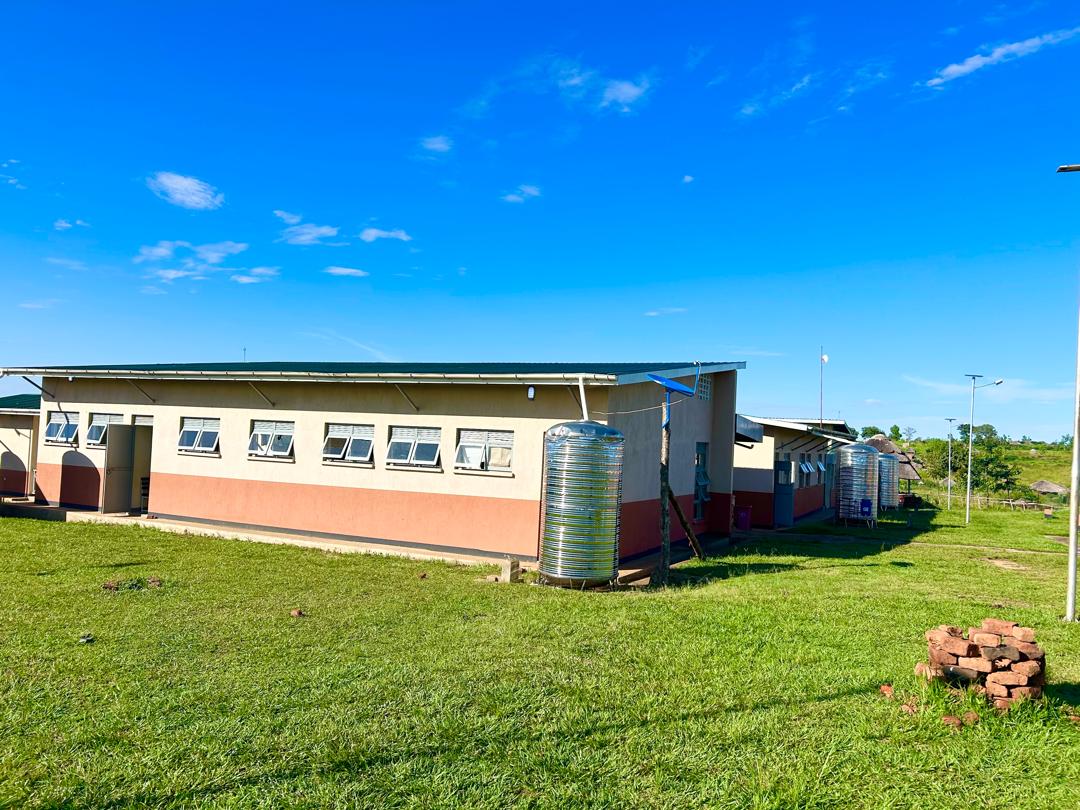
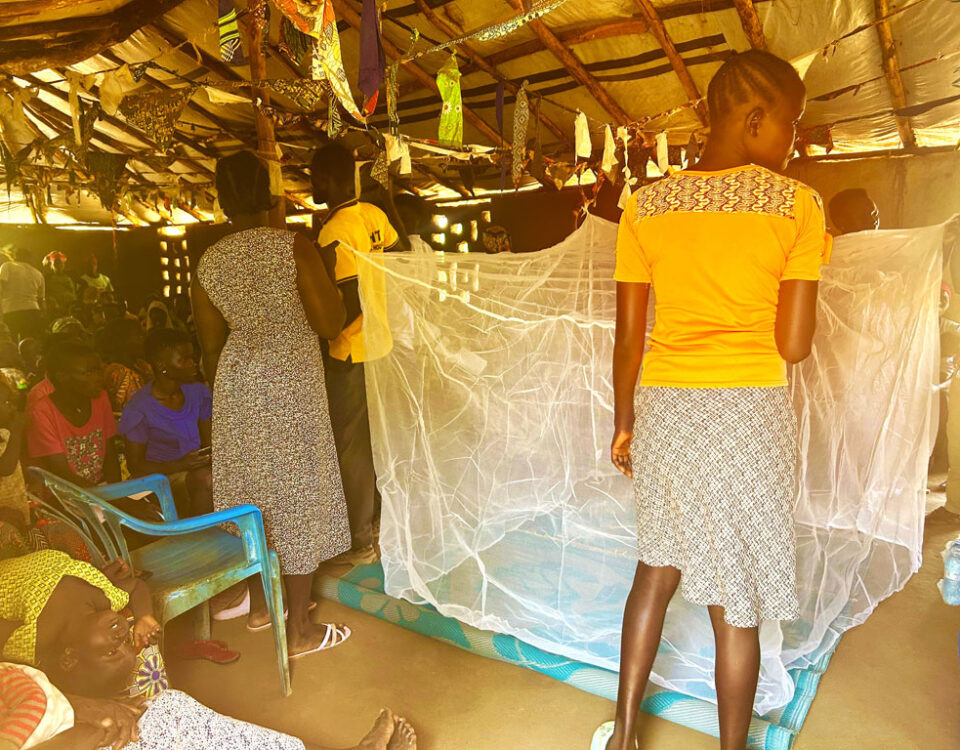
Multi-purpose building where some CATT counselling takes place
Their father disappeared for long periods, often spending months away. Whenever he returned, he frequently came back drunk. One day, he told her that he did not like girls and would never waste his money educating girls; he told her she was worthless. Then he beat her.
To earn money, Evaline worked in other people's gardens and occasionally engaged in small income- generating activities. However, whenever she earned something, her father would confiscate the money through intimidation and violence. Food insecurity became normal, fear became normal, pain became normal.
At only twelve years old, Evaline who found herself caring for another sister after an abusive relationship, complications and infections post-delivery, and the loss of her baby while simultaneously trying to look after their younger siblings.
Throughout all this suffering, there was nobody to ask one important question: How was Sally* coping?
The answer became clear during her Children's Accelerated Trauma Therapy (CATT) assessment; she had withdrawn from other children, she rarely interacted with people, she experienced disturbing nightmares and night terrors. She often refused food and suffered persistent headaches. She frequently spoke to herself. She lived in constant fear. Sally* had lost her sense of safety, her confidence and her hope.
Through the structured CATT process, Sally* was gently supported to revisit and process traumatic memories that had trapped her in fear for years. Session by session, she began learning that what had happened to her was not her fault. She learned grounding techniques that helped her feel safe. She learned how to manage distressing memories. Slowly, the frightened child began to change. Her nightmares reduced. The headaches became less frequent. She started talking more openly. She spent less time isolated. She began eating regularly again. She participated in conversations. She interacted more comfortably with others. Most importantly, she began speaking about her future.
Today, Sallly* and her siblings still face challenges; the struggle for food, education and stability continues. But one thing has changed dramatically. The trauma that once controlled her life no longer defines her future.
Lulu told us, "Whenever I think about Sally*, I am reminded that behind every number in a report is a child with a name, a face and a story. Across refugee settlements and vulnerable communities, there are many children like Sally*. Children carrying invisible wounds from war, violence, neglect, displacement, abuse and loss. Many suffer silently because the world cannot see emotional pain in the same way it sees a physical injury. The Children's Accelerated Trauma Therapy (CATT) Programme gives these children something many of them have not experienced for years: A chance to heal. A chance to feel safe. A chance to dream again."
Sally's* recovery demonstrates what is possible when traumatised children receive timely, specialised and compassionate support. Her story is not only a story of suffering. It is a story of resilience, healing and hope.
To support more children like Sally and her siblings, get in touch or donate here.