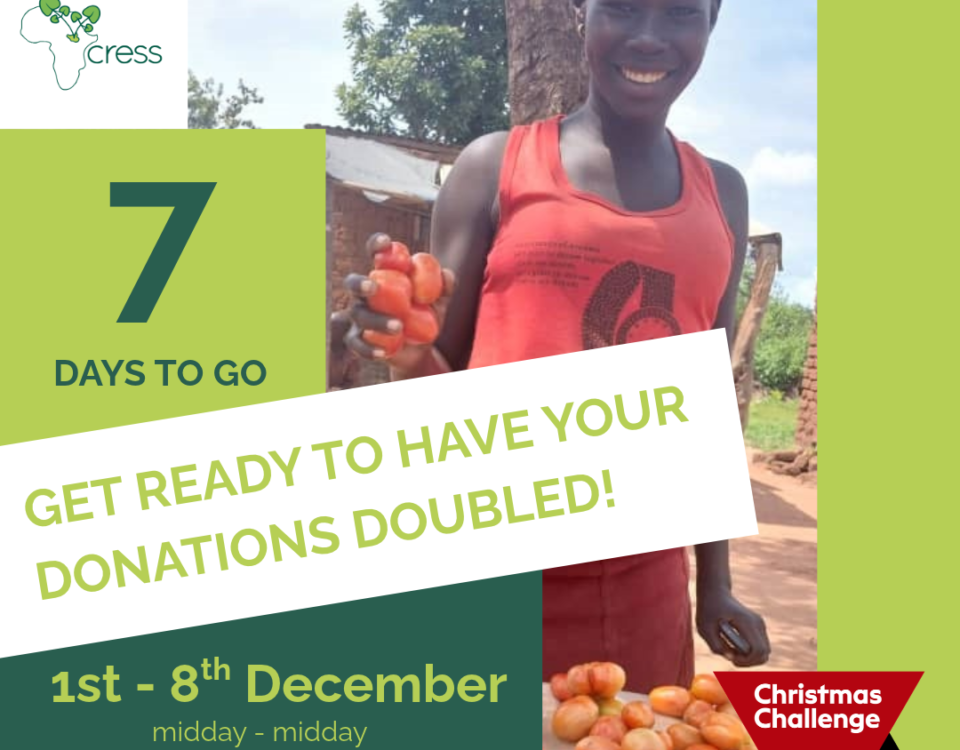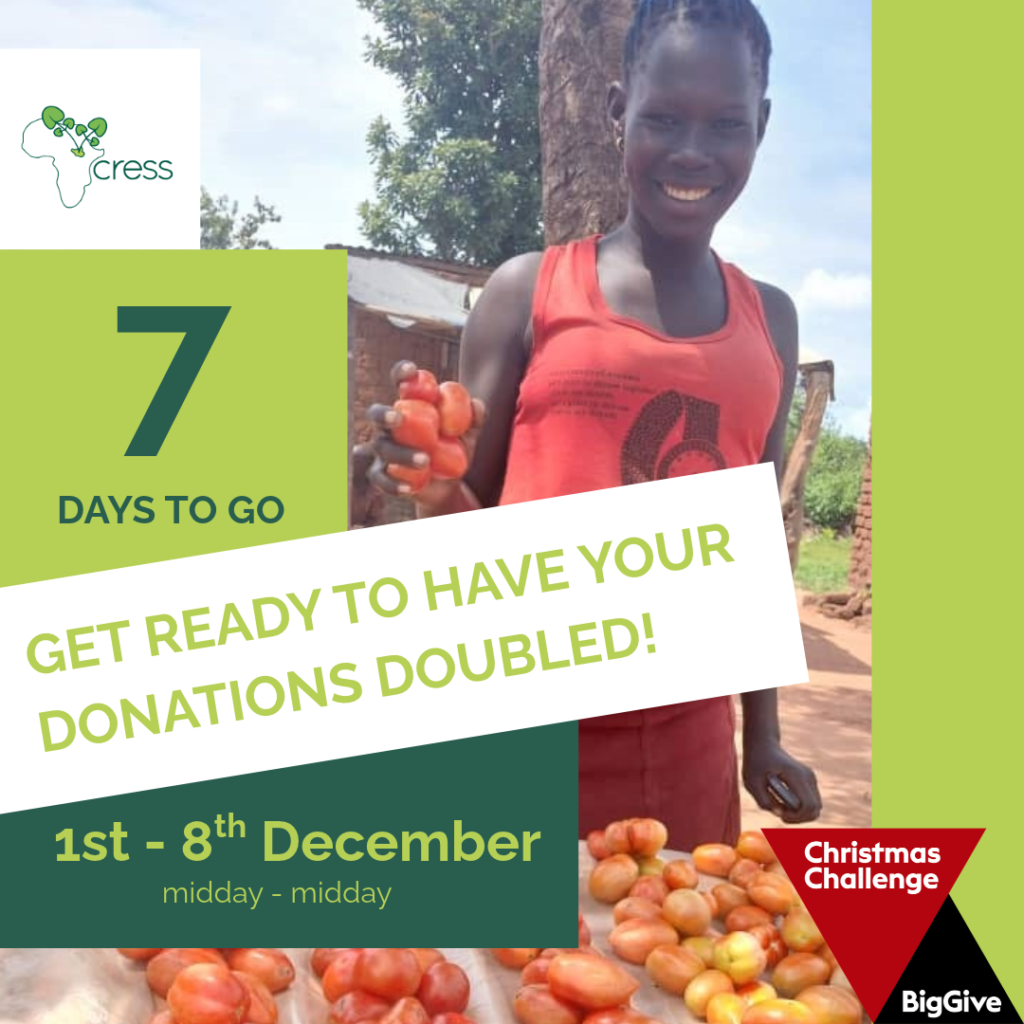
ONE WEEK TODAY – our Christmas Big Give will go live!
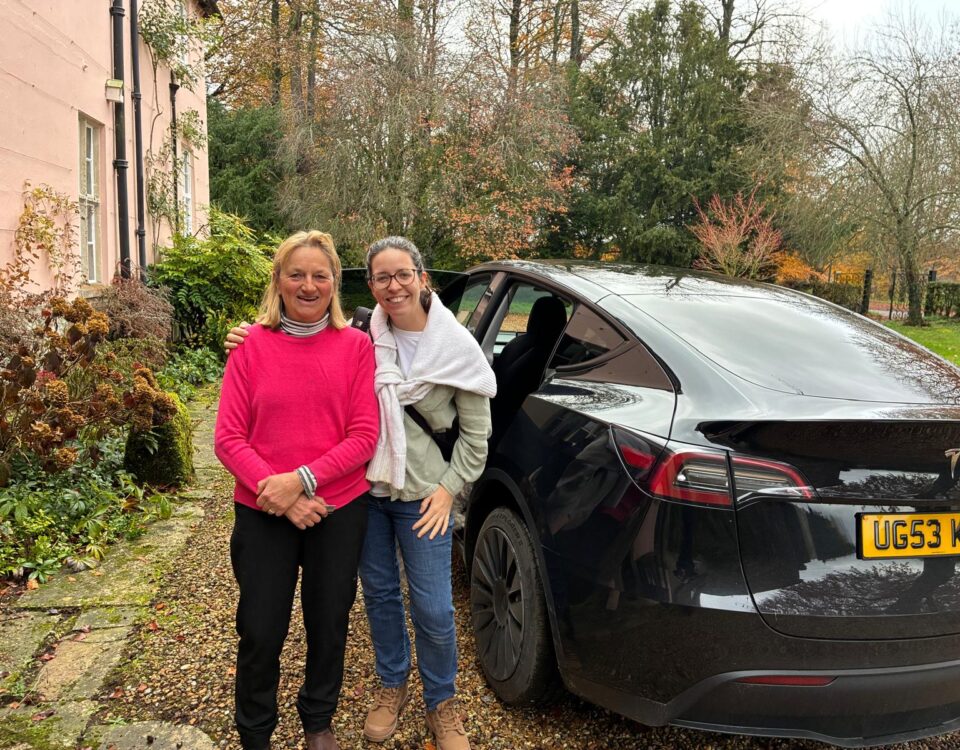
I've been in Arua for a few days now, and I'm already beginning to understand the scale, reach and importance of CRESS's work across West Nile. It's been a packed few days, meeting the team, visiting communities and seeing first-hand how the organisation works.
Day 1 – Getting to know CRESS
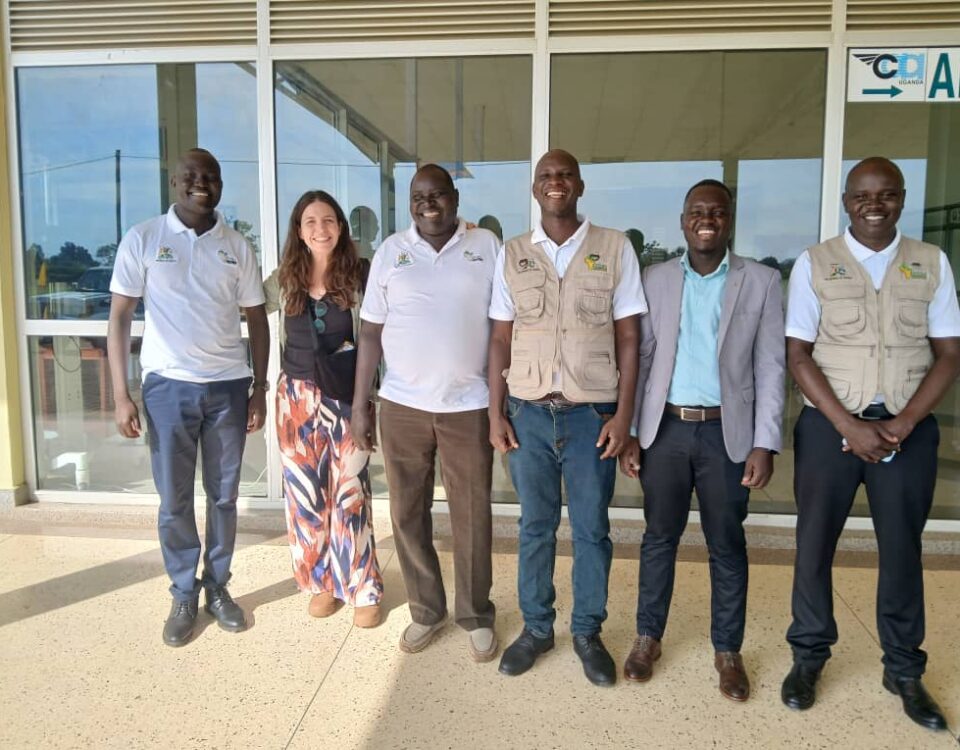
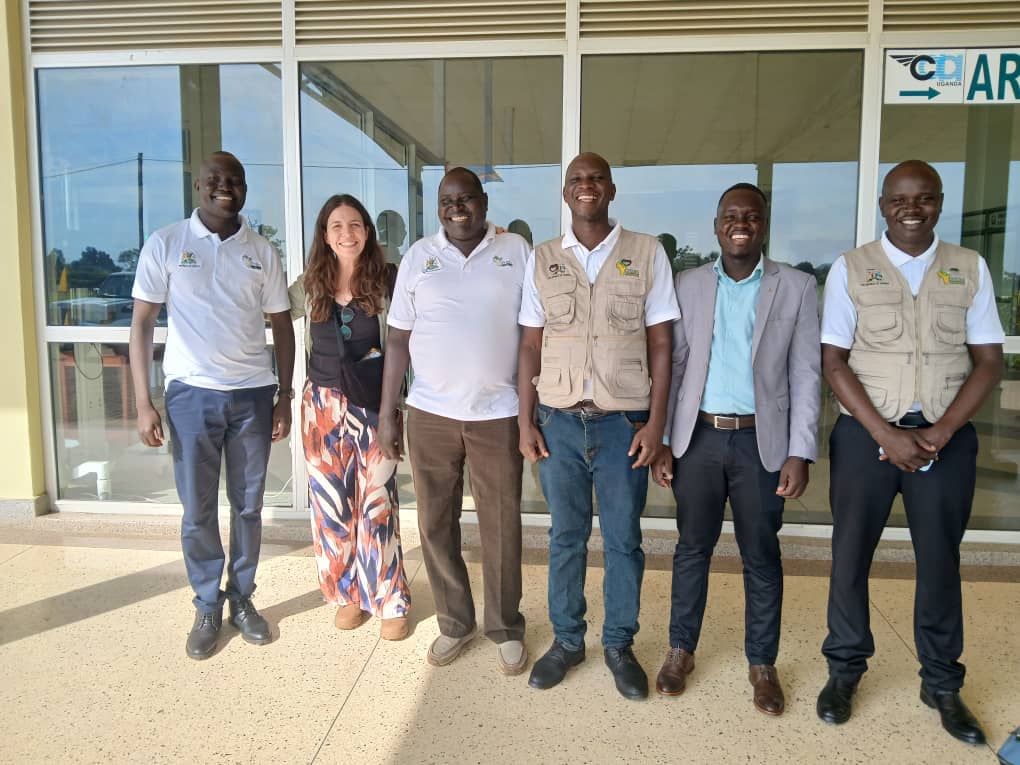
After a wonderfully warm welcome from the team, I spent my first day at the CRESS office meeting everyone and learning about their different areas of work.
There's a huge amount of expertise across the team, covering livelihoods, community development, finance, HR, mental and physical health, and child trauma support. I was particularly struck by how much the team share their working day together. Breakfast and lunch are prepared and eaten communally, which is an important part of the culture of mutual support.
Day 2 – Seeing the work in communities
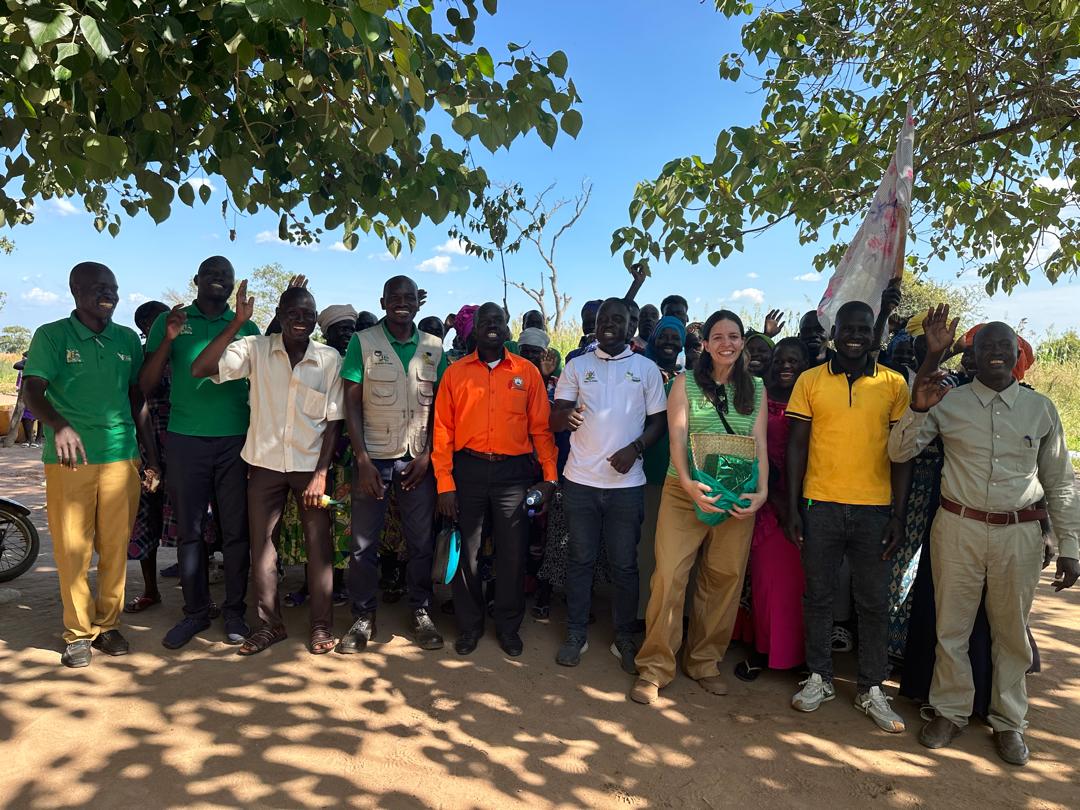
Quite an extraordinary day. We travelled north to visit Imvepi refugee settlement, CRESS's field office and several community savings groups.
At Imvepi, I met the Community Process Facilitators (CPFs), who are themselves refugees living in the settlements. Each supports around 8–10 community groups, providing encouragement, coaching and training in household budgeting, finance, business planning and agriculture.
New groups receive intensive support over nine weeks, but CRESS doesn't simply deliver training and move on. The team stays alongside groups for three to four years, helping them build the confidence, skills and resources to become increasingly self-reliant. They also work at family level, making sure that the wider household understands and supports the plans being developed.
We then visited several groups and I got to see how this works in practice.
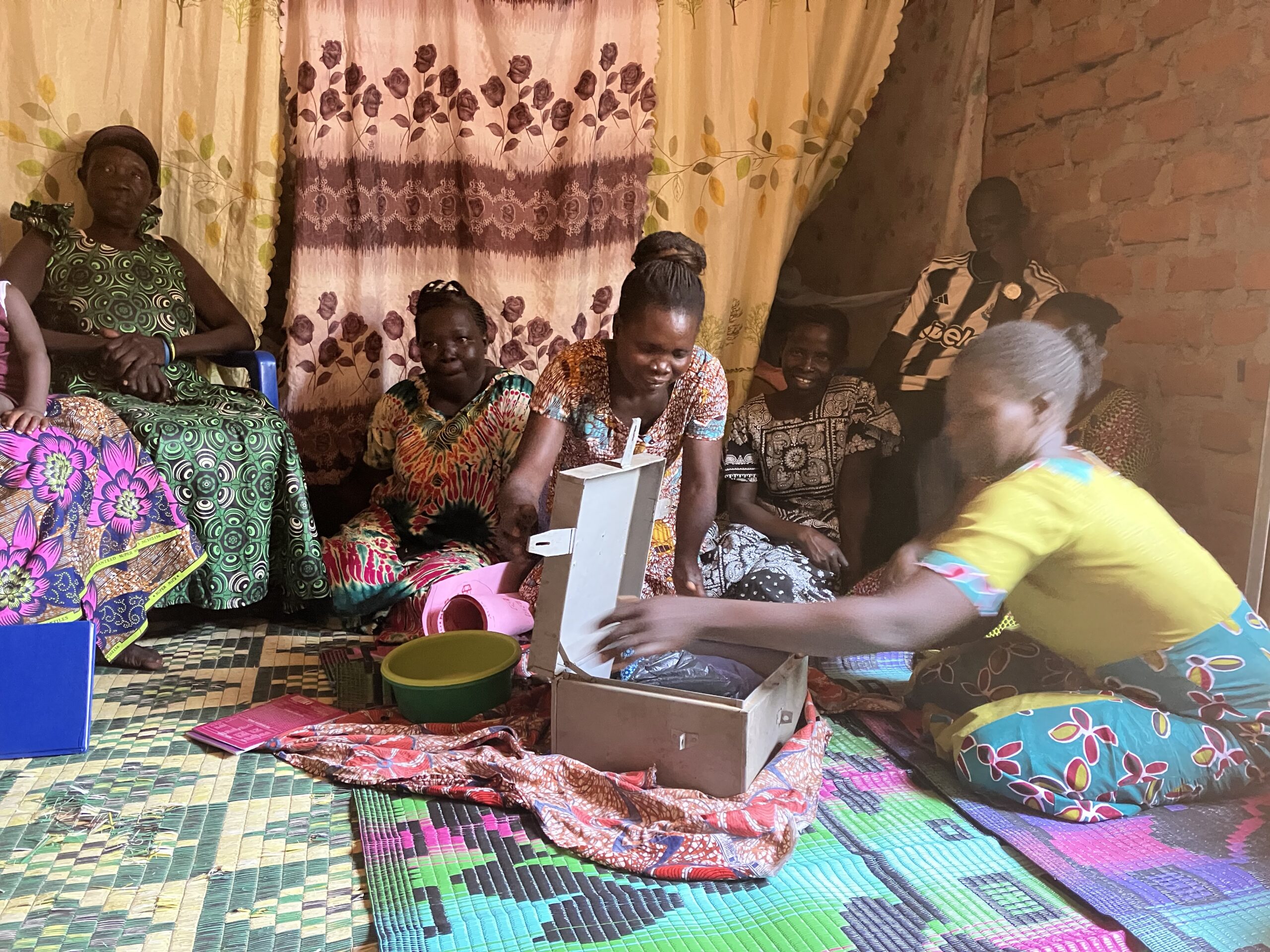
The groups meet regularly, save small amounts each week and build up a shared fund from which members can take loans. They also have a separate social fund for things like school fees, medical costs and other unexpected expenses.
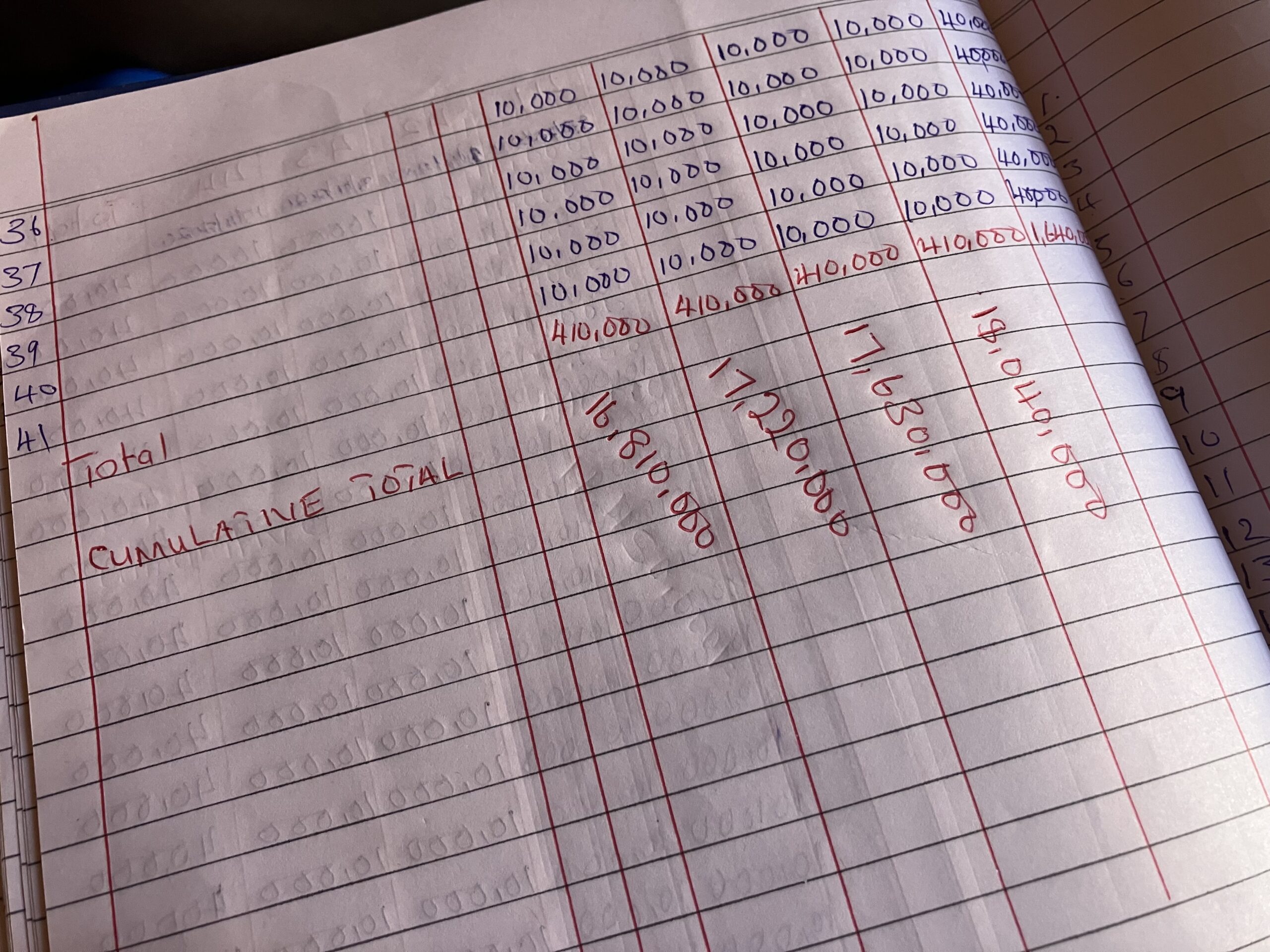
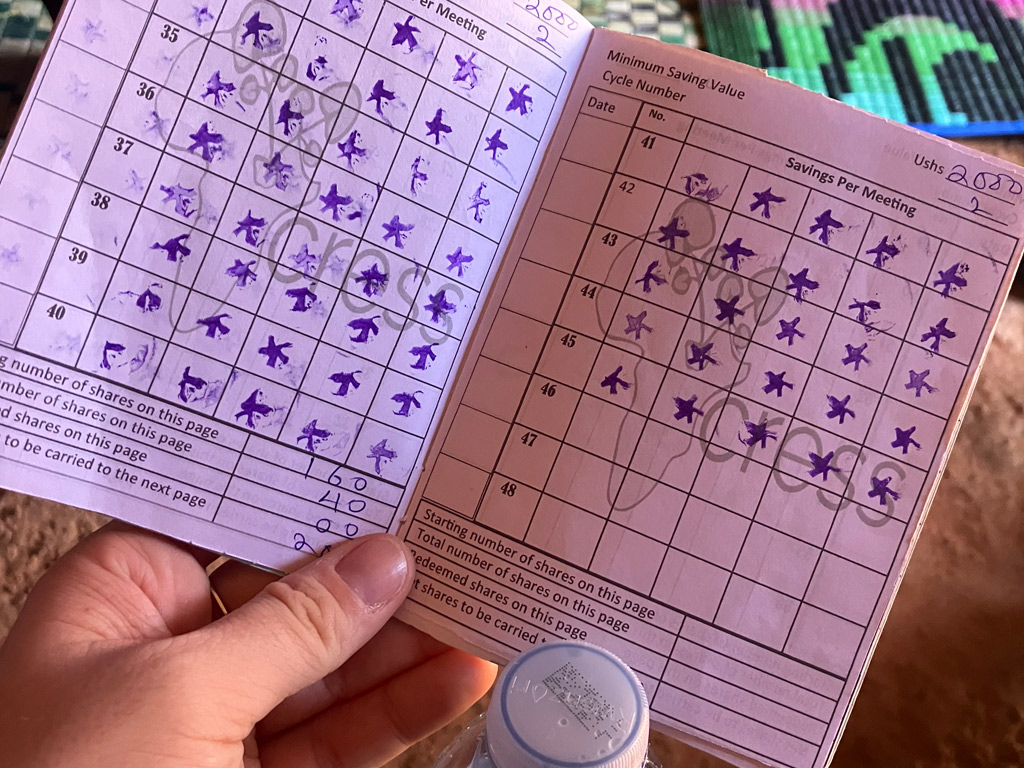
One group showed us their individual savings books and accounts ledger. They were on their second savings cycle and had developed a really disciplined approach. When I asked what made them successful, they talked about unity and thinking towards the future. Their advice to other groups was leadership, commitment and discipline.
I met several people who had taken loans to improve their futures. One woman had taken a loan to buy a groundnut grinder. She now rents it out to other people and also uses it to prepare and package groundnuts for sale.
Another member had bought a pig with a loan. That pig had since had six piglets! His next ambition is to build a proper pen so they can grow more successfully.
We met another member who had used a loan to build a shop and buy stock. We talked about how he could attract more customers, manage his stock and make his shop better known locally.
One of the groups had established a demonstration garden where they farm together before applying what they've learned in their own gardens. They were keen to improve irrigation, as getting water from the nearby stream is a challenge.
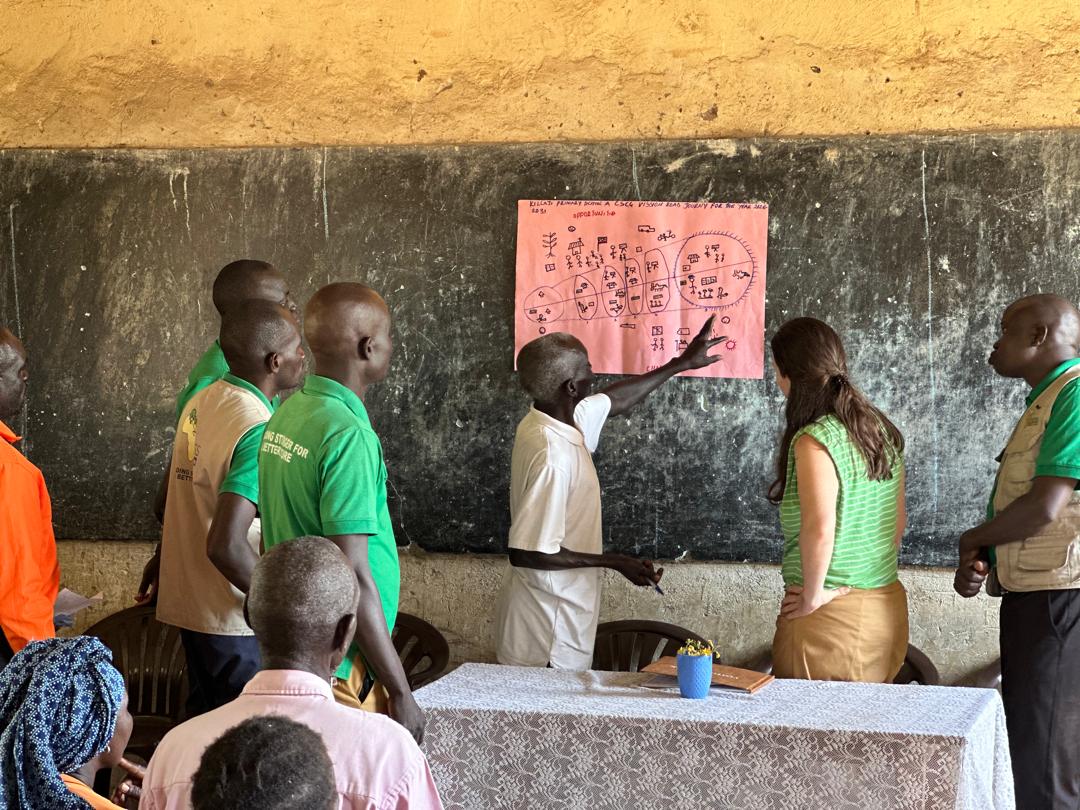
We also visited the Kalaji School savings group, where we were greeted with singing, flags and dancing. They had created a beautiful welcome, complete with a green carpet of leaves and flowers. Their vision board showed what they hoped to achieve as a community: more crops, cows and children attending school. Their motto was "Save today, enjoy tomorrow".
Another group, Friendly Group, showed us their tomato production. They had 1,200 tomato plants! What really struck me was how much the groups themselves have taken ownership. One group had grown to more than 60 members and was considering splitting into two because managing the finances had become so difficult.
We also met a savings group member who had opened a restaurant and we enjoyed her lunch together – a chicken curry, goat, rice and cassava!
Throughout the day, the CRESS team shared their work in training, including business planning and child trauma support. We even discovered that one of the child trauma counsellors was also a member of a savings group.
It's a great example of how deeply embedded CRESS's work is in these communities. They do more than deliver projects, they build relationships, knowledge and confidence that stay with people.
We had a slightly unexpected bit of roadside drama on the journey home, but the team looked after one another and we were safely back.
Day 3 – Bringing the team together
Today brought the wider CRESS team together, including colleagues who travel considerable distances to support communities across the region. Some had travelled for several hours by motorbike to be there.
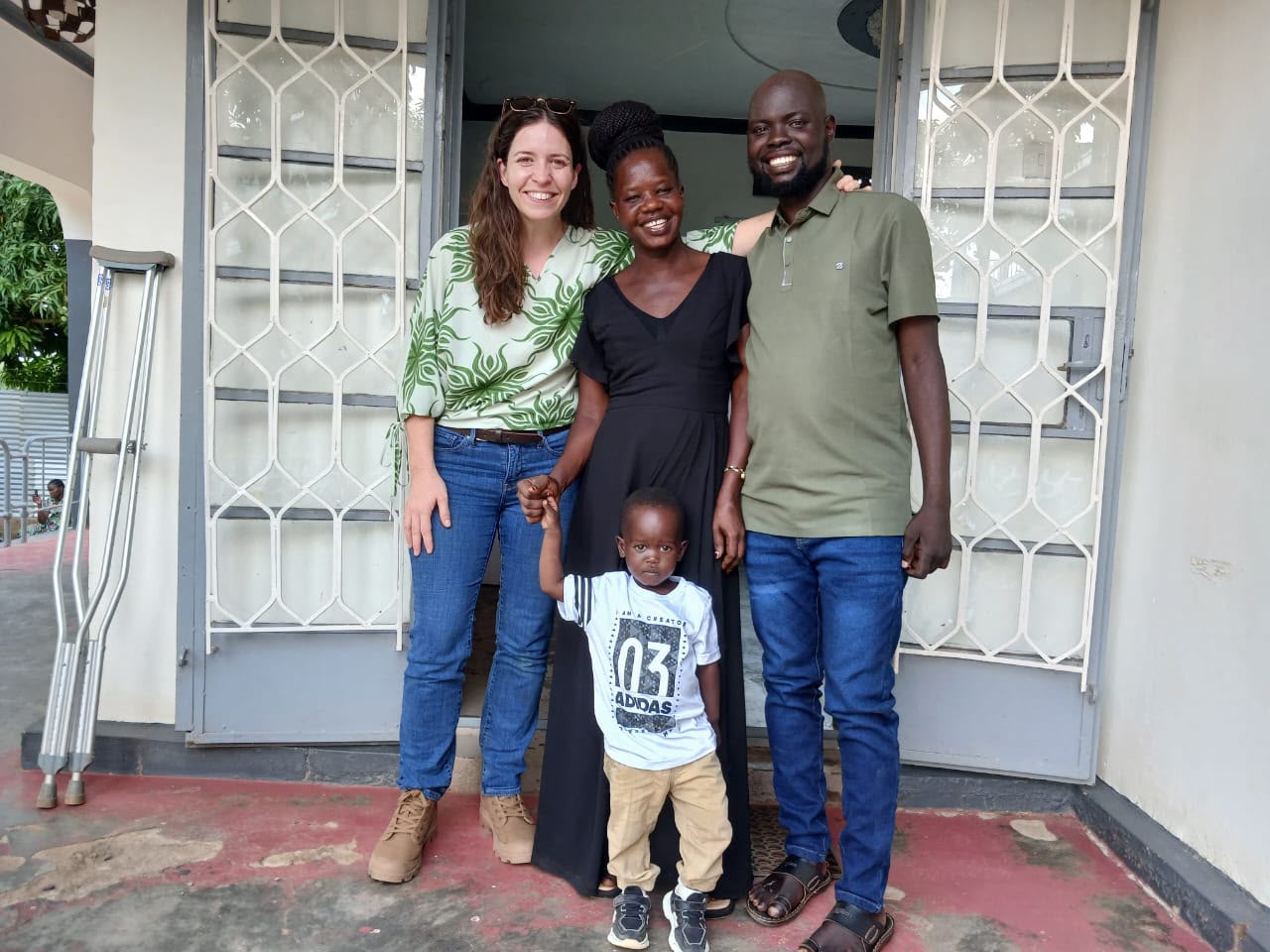
There was a wonderful surprise waiting for me when I arrived: Asara Donald, who has made a remarkable recovery following his accident, was standing independently without crutches! It was fantastic to meet him in person and see how much progress he's made. His gratitude to the donors was enormous, and the whole team were delighted to see him.
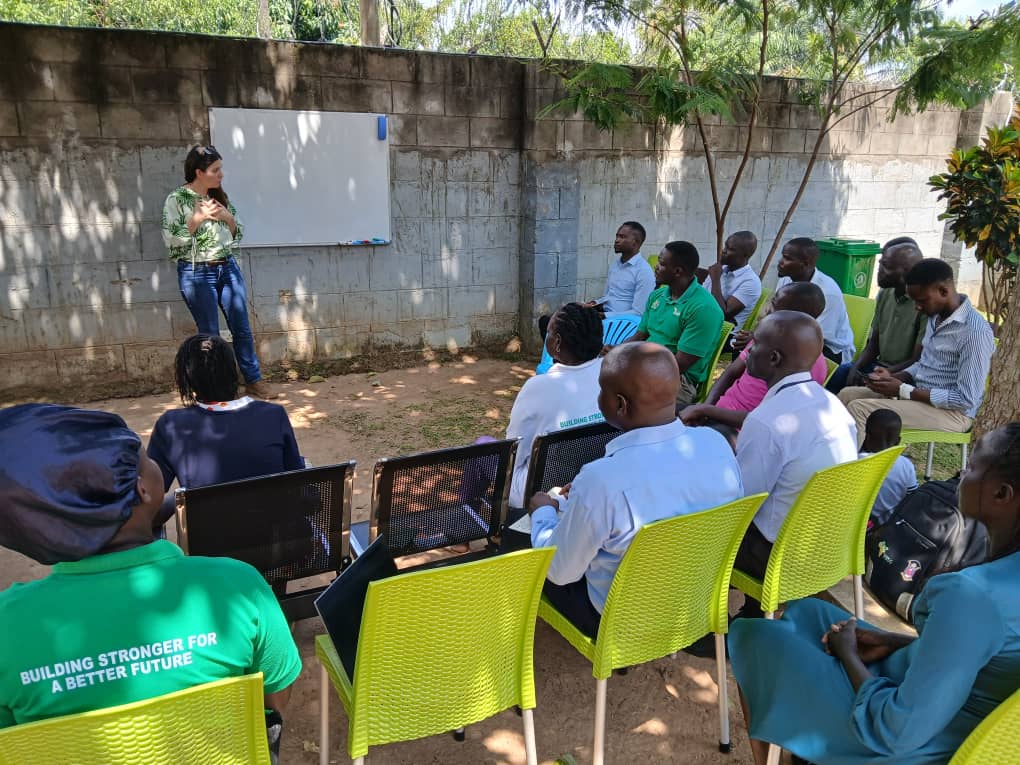
I then spent two hours working with the team on social media and communications. We explored what makes a good post, looked at examples together and worked in groups to identify what makes content engaging and effective.
The team took it incredibly seriously. We came up with some shared principles for CRESS's communications and talked about how everyone can contribute – creating posts, appearing in photographs and videos, capturing stories and sharing content with their own networks.
We even finished with a dance game called Twista! The enthusiasm was infectious, and everyone had a turn.
I also brought out an iPad and a map of West Nile. I asked everyone to mark the community groups and individuals they work with. The result was quite something. The map filled up with dots, showing the geographical spread of the work across the region and the different teams' contributions. It was a brilliant way to see the scale of CRESS's reach in one picture.
I also caught up with Julius from Rhino Camp, who told me about the work there. Farming conditions are challenging, so the team are supporting groups with climate-smart agriculture. Julius arrived as a refugee himself and, through the opportunities he's had with CRESS over the last few years, has developed his own farming activities, including goats and tomatoes. It's another example of the knowledge and experience within the team being used to support others.
Reflecting
What I'm seeing is an organisation with enormous reach and potential, a deeply committed team and a model of community development that is about equipping people to shape their own futures.
There's so much more to learn, and I'm looking forward to sharing more as the week unfolds!