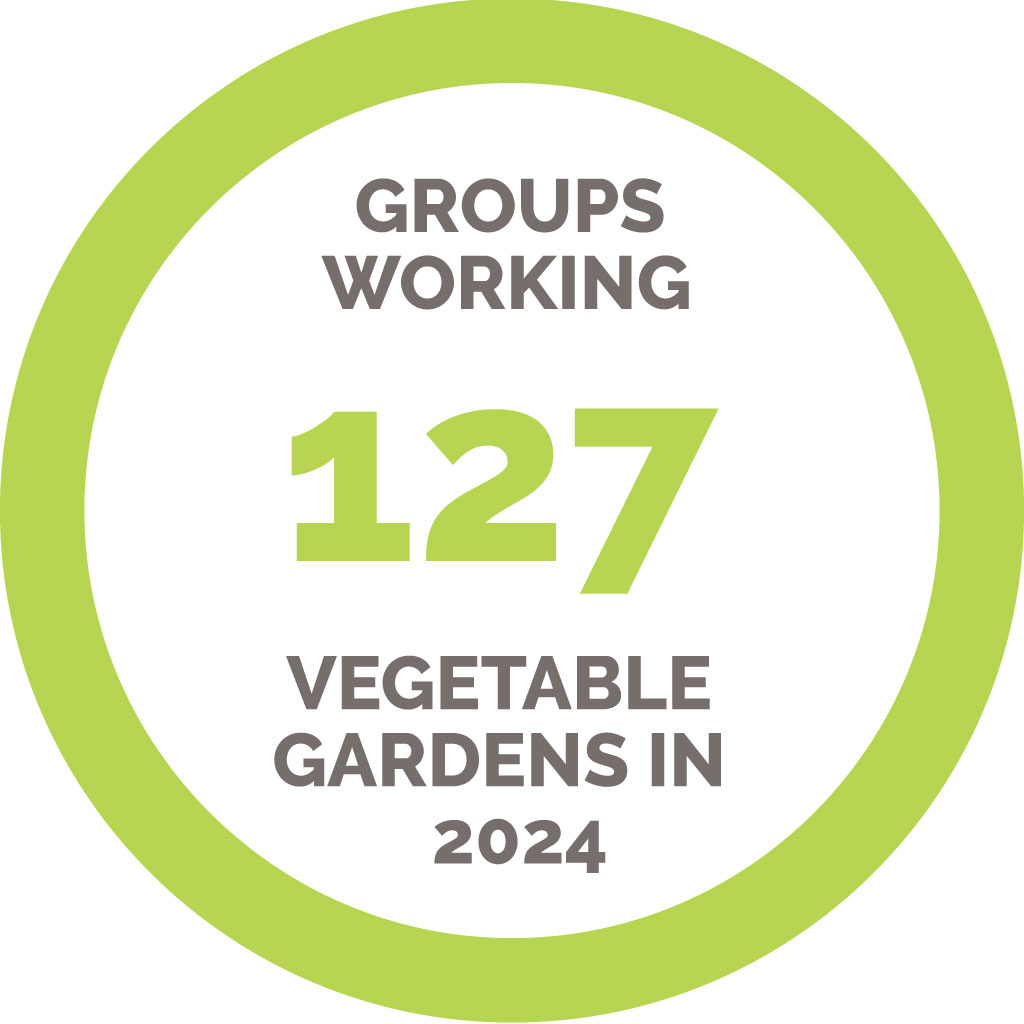
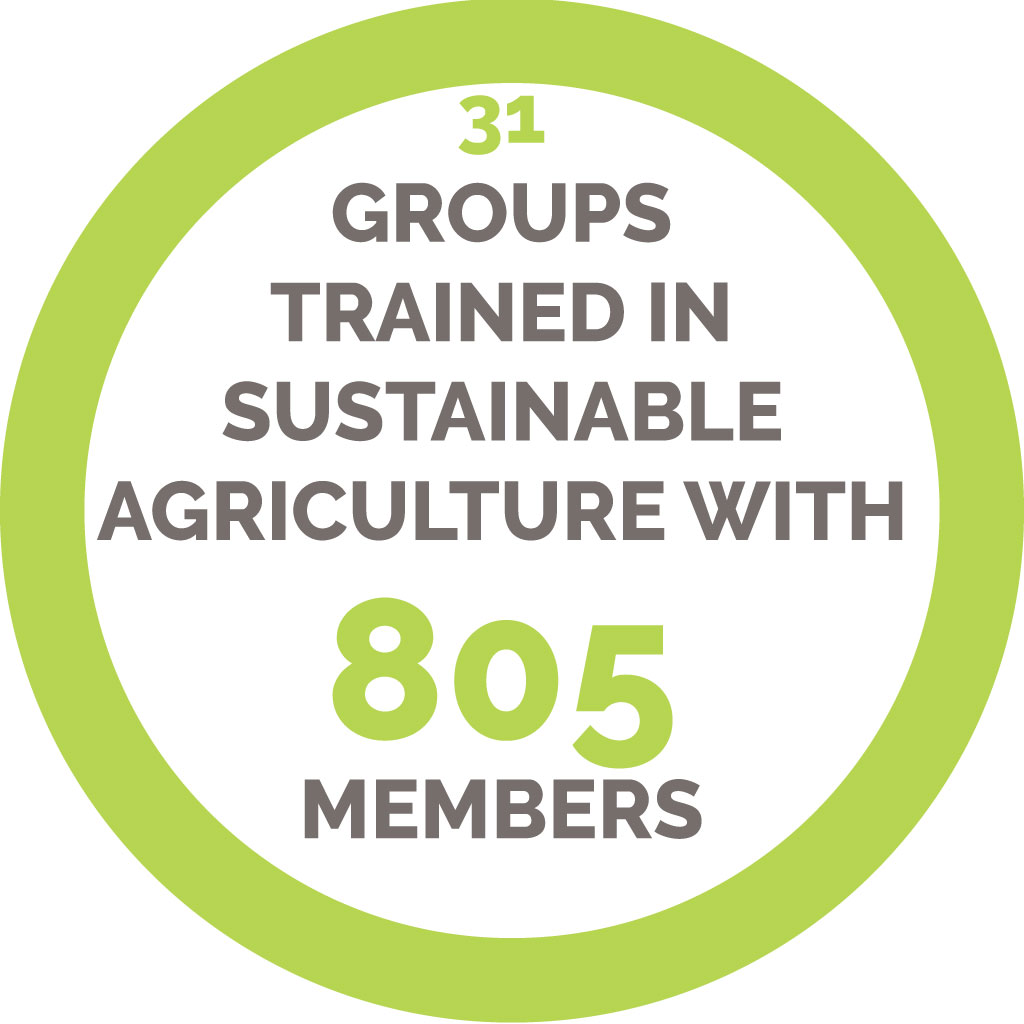
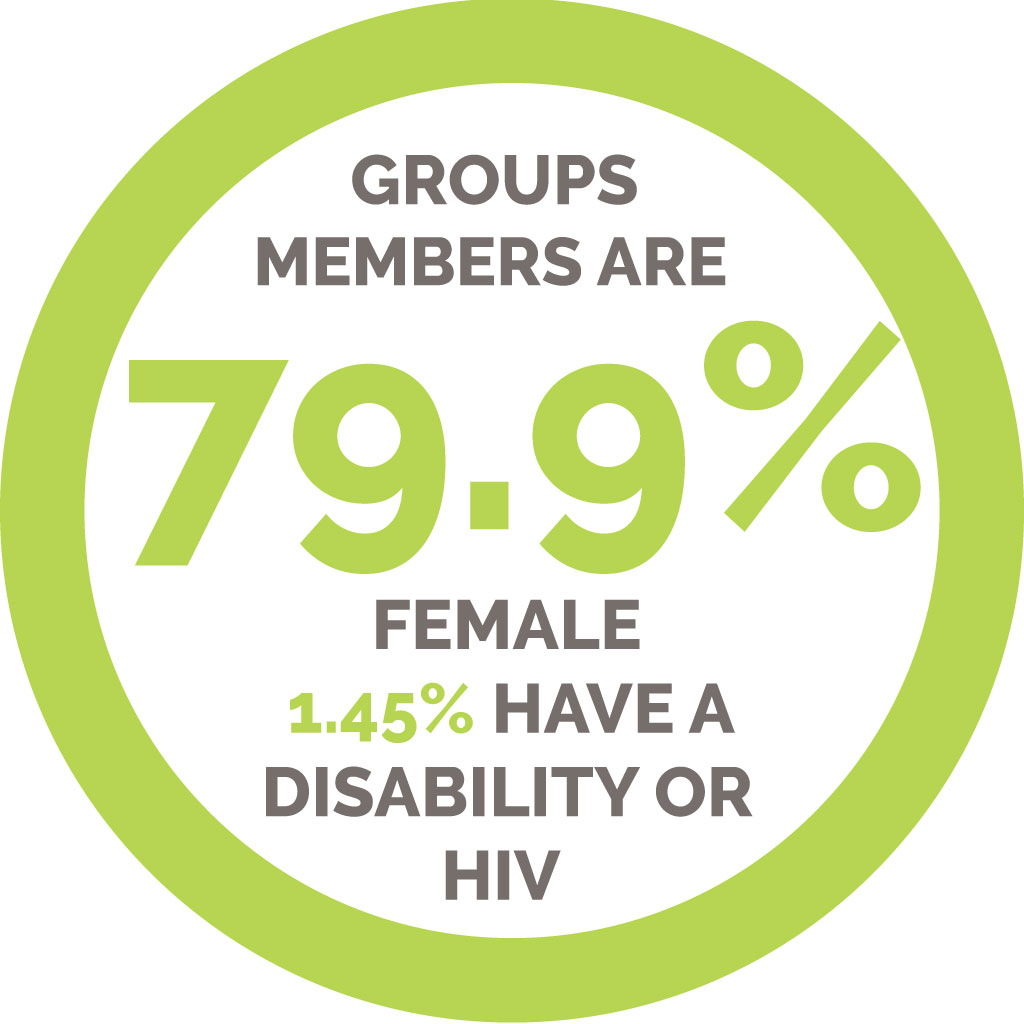
Agricultural Training for Refugees
CRESS aims to increase food security for the refugee and host families by delivering training to improve nutrition and provide income generation from growing vegetables using sustainable organic techniques.
A wide variety of vegetables are promoted and grown in both the group gardens and individual home gardens. The farmers are trained to use crop rotation which prevents pest build up and enables efficient use of soil nutrients.
Each community has a lead farmer who receives extra training so that they can go on to train their peers. They lead their groups and cascade their knowledge ensuring better
outcomes. Alongside better agricultural practices, this approach brings communities together for greater unity, sustainability and
self-sufficiency.
Agriculture Stories

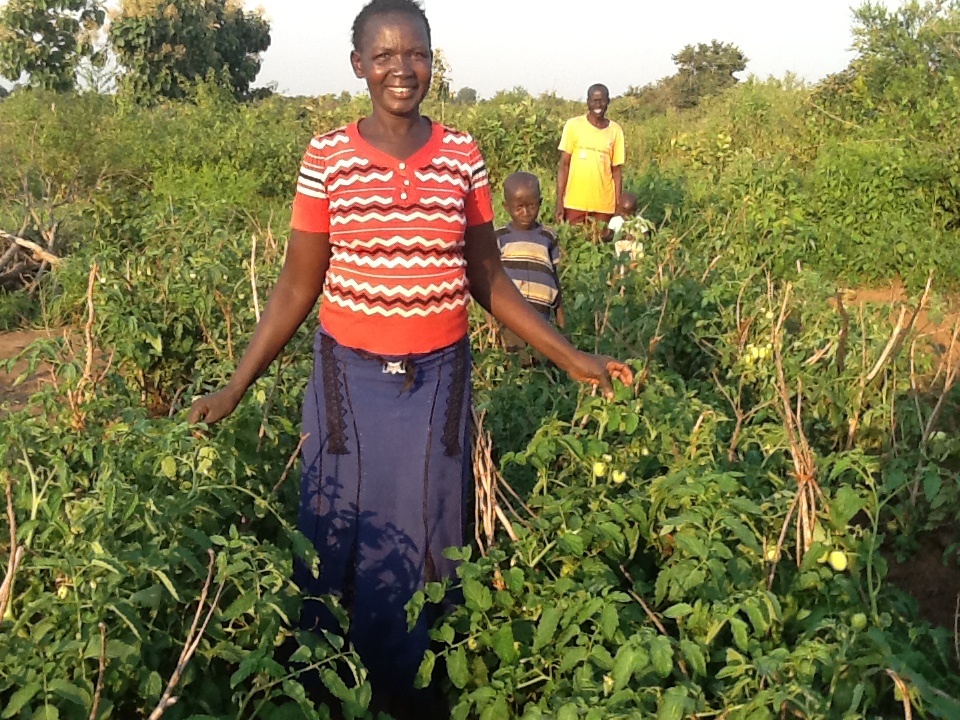
Esther Ide (pictured) and Silvia Poni are members of Hope Group 2 based near Mijale.
She said that the ‘impact from the group garden is obtaining skills and knowledge which is a goodness’ and ‘the group garden is helping me as a family, I was able to lead my own family’.
Silvia Poni said that she has now the knowledge of planting vegetables, and that she will be able to stand on her own even if peace returns to South Sudan knowing how to plant vegetables in a small piece of land.’

Joyful group is also based in the refugee settlement near Mijale.
Yongale Jesilen said ‘I was able to use compost on a small plot of land and am now able to enter the savings program. I hope in the future to buy goats and chickens for my family’.
Jane Kuyunge said ‘I was able to pay for my child in school and also buy her school uniform. I hope to build a permanent house, and also to pay for a cow’.
Alice Kuyunge said ‘we are now eating a variety of vegetables, and are able to save money to cater for unforeseen cases such as sickness. I am hoping to buy a goat and to pay for my children in school providing all their necessary requirements for learning’.
Above all, we eat healthy vegetables and have meals 2-3 times a day. Our children are happy and healthy because there is food at home. The projects, gave us hope
that we would get whatever we have lost to the war in South Sudan. Life without the support from CRESS, would have been very difficult and unbearable. We thank God, all the household belongings, vegetables, paying medical bills and education of our children are possible because of CRESS support through the projects.
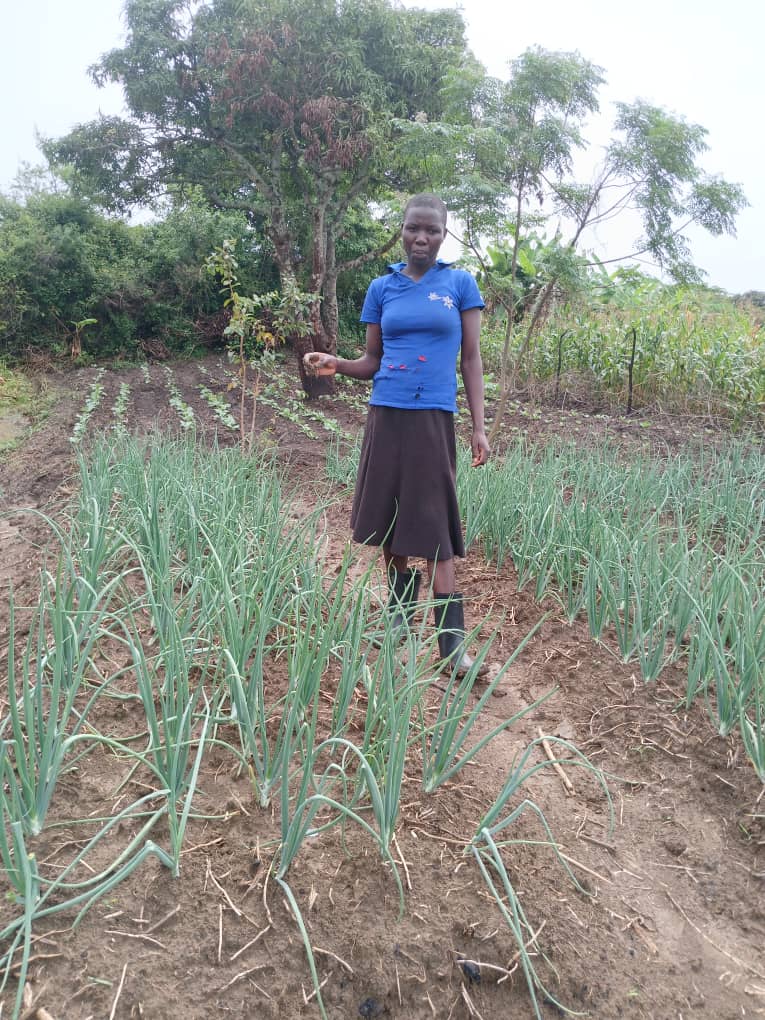
Hope for Orphan
Kiden Annet from Pamungu Agric is just 18 years old. She is an orphan and was forced to drop out from school because she couldn’t pay the fees, therefore she joined the group, became a member and now expresses her thanks to CRESS Africa Foundation for supporting her and enabling her to grow crops and begin in business.