Agricultural Training for Refugees
CRESS aims to increase food security for the refugee and host families by delivering training to improve nutrition and provide income generation from growing vegetables using sustainable organic techniques.
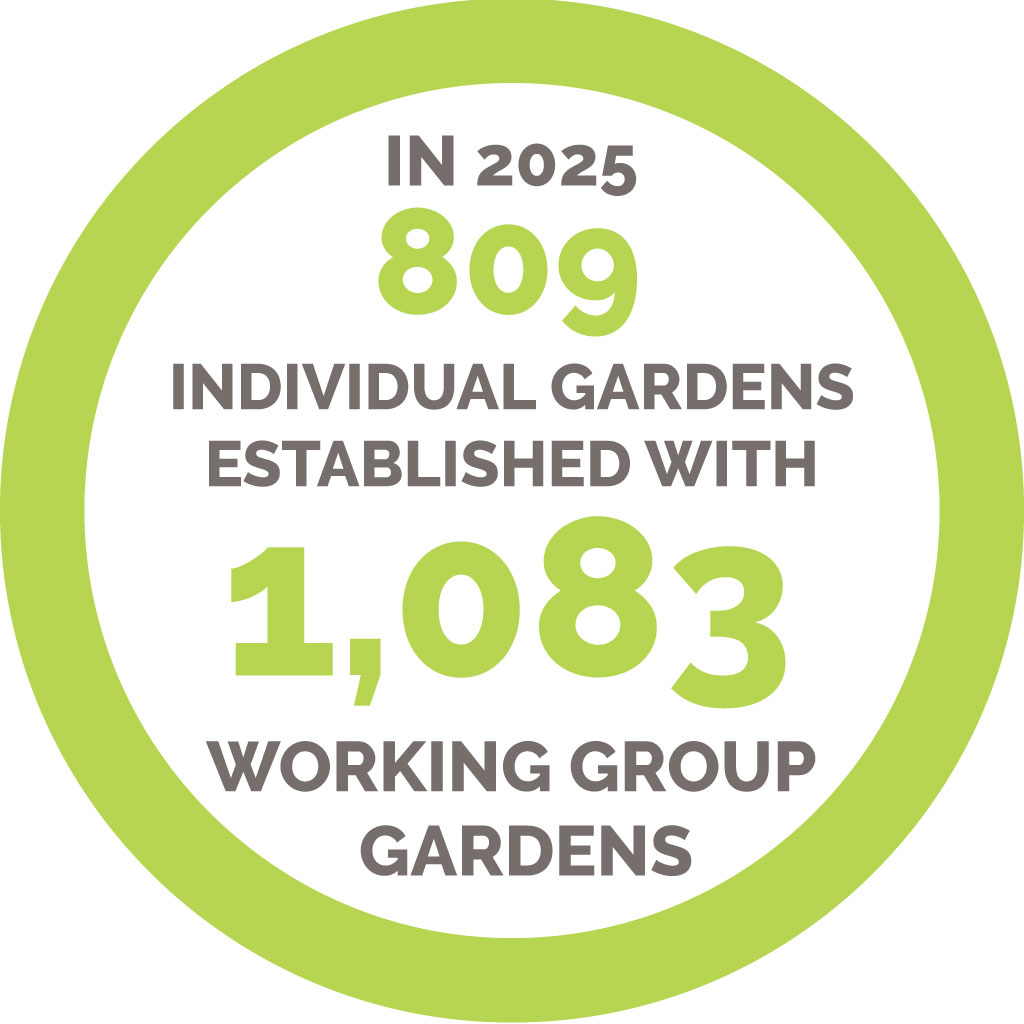
A wide variety of vegetables are promoted and grown in both the group gardens and individual home gardens. The farmers are trained to use crop rotation which prevents pest build up and enables efficient use of soil nutrients.
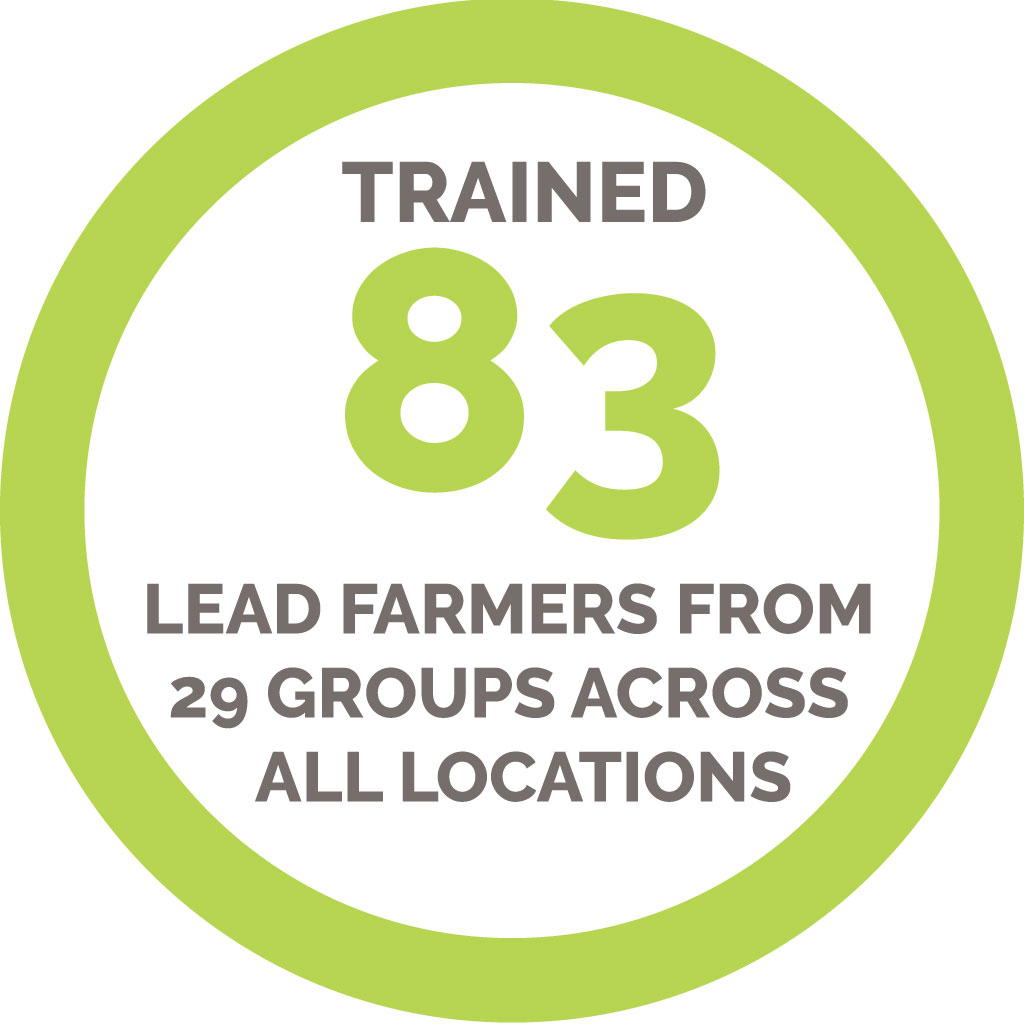
Each community has a lead farmer who receives extra training so that they can go on to train their peers. They lead their groups and cascade their knowledge ensuring better outcomes. Alongside better agricultural practices, this approach brings communities together for greater unity, sustainability and self-sufficiency.
Agriculture Stories

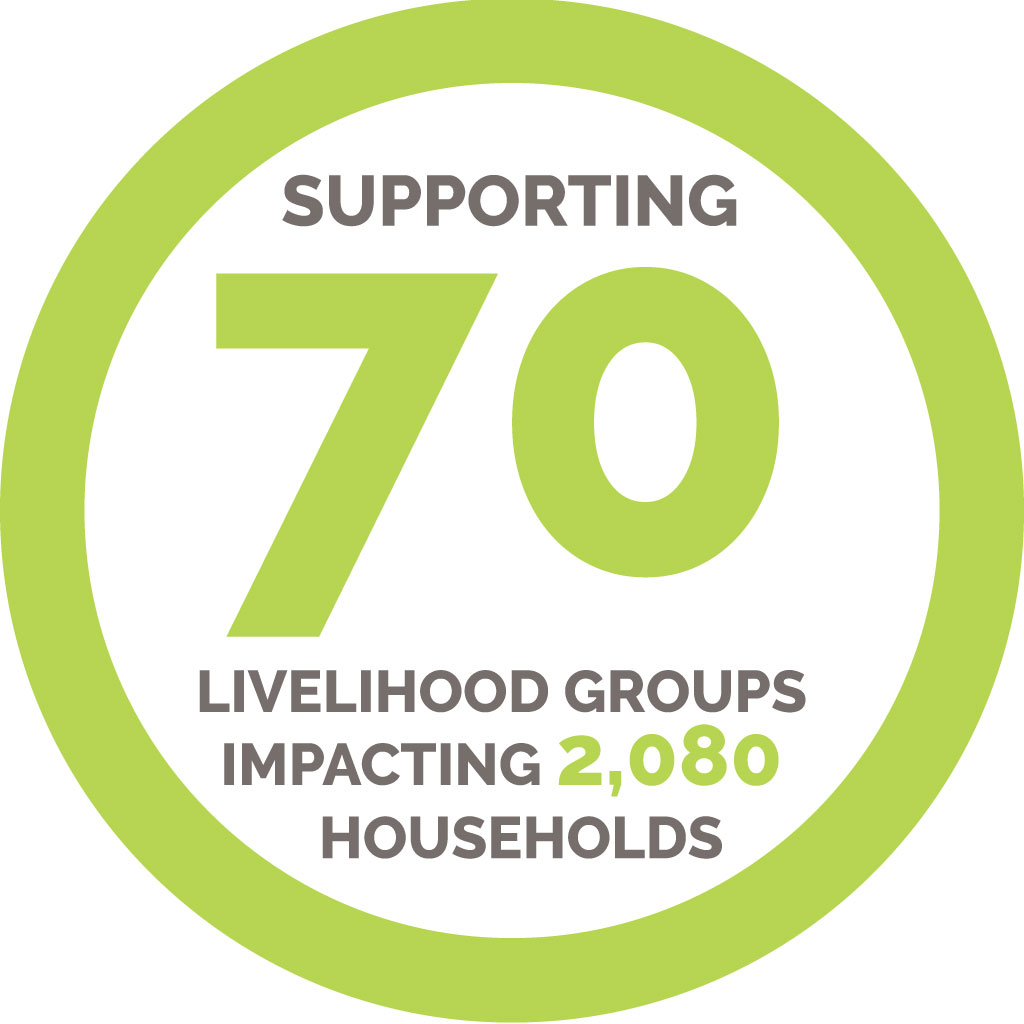
CRESS focuses on empowering women, youth, and children by increasing access to financial services. In 2025, the Self-Reliance and Resilient Livelihoods Project (SRRLP) made significant strides in strengthening 70 Community Savings and Credit Groups (CSCGs), mobilising over 1 billion UGX (Ugandan shillings) in savings, disbursing 702,265,300 UGX in loans. 79% of loans in 2025 were accessed by women. The Project also trained over 2,080 members in business and financial literacy. The SRRLP addressed low household food production, the rising threat of climate change and the inability of households to diversify their diets, ensuring the sustainable and increased agricultural production of food (crops & vegetables) with ample nutrients for healthy living.

Hope for Orphan
Kiden Annet from Pamungu Agric is just 18 years old. She is an orphan and was forced to drop out from school because she couldn’t pay the fees. She became a member CSCG member and now expresses her thanks to CRESS Africa Foundation for supporting her and enabling her to grow crops and begin in business. In 2025, she grew and sold a huge number of onions.
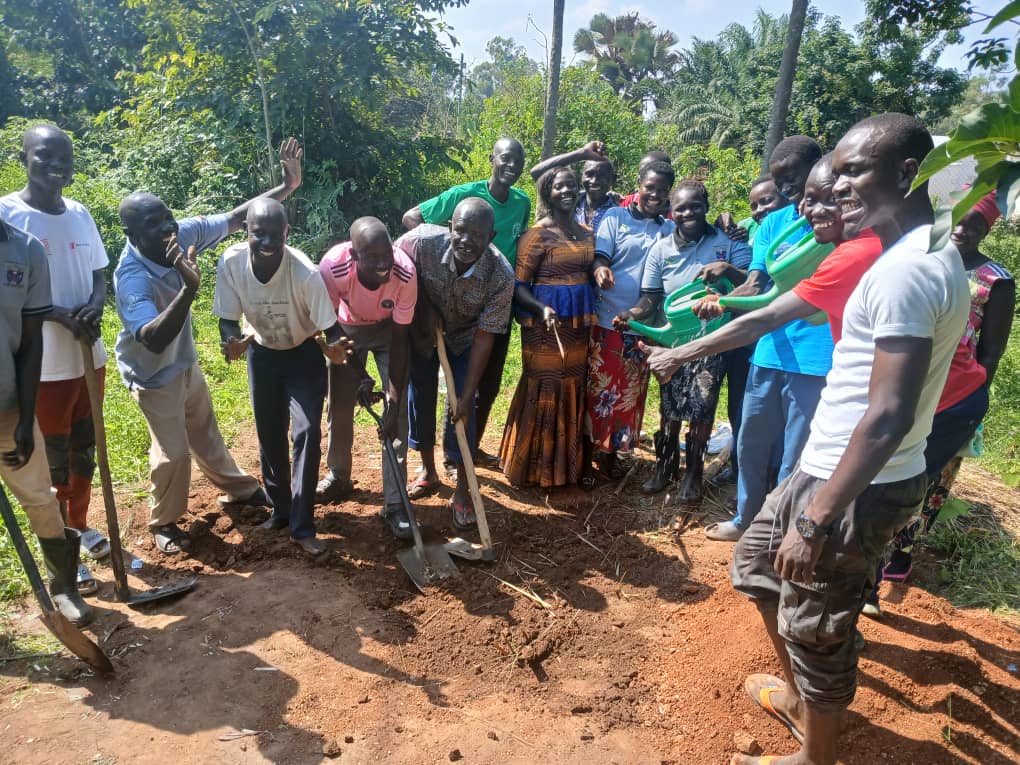
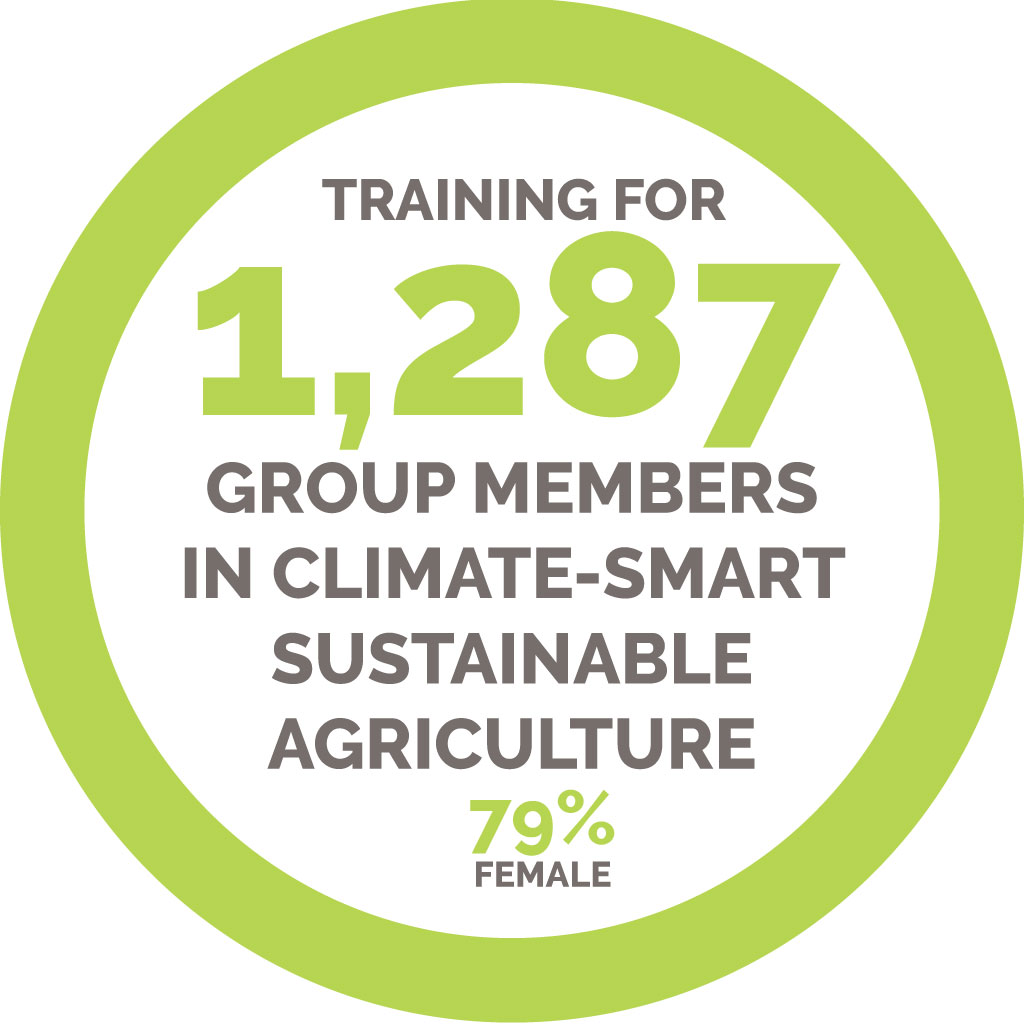
Group members participate in sustainable climate-smart agriculture training which focuses on climate resilient agricultural approaches. This is especially important for rural communities in areas that are disproportionately affected by climate change.
Climate resilience in agriculture is the ability of communities and farmers to adapt to climate change while maintaining or improving productivity. This involves diversifying crops and livestock, for example using drought-, heat-, salt-, insect-, or pest- resistant seeds and plants; improving soil health, and using local knowledge. The training not only provided new information but also built on the existing skills and indigenous knowledge of the land.

Joyful group is also based in the refugee settlement near Mijale.
Yongale Jesilen said ‘I was able to use compost on a small plot of land and am now able to enter the savings program. I hope in the future to buy goats and chickens for my family’.
Jane Kuyunge said ‘I was able to pay for my child in school and also buy her school uniform. I hope to build a permanent house, and also to pay for a cow’.
Alice Kuyunge said ‘we are now eating a variety of vegetables, and are able to save money to cater for unforeseen cases such as sickness. I am hoping to buy a goat and to pay for my children in school providing all their necessary requirements for learning’.